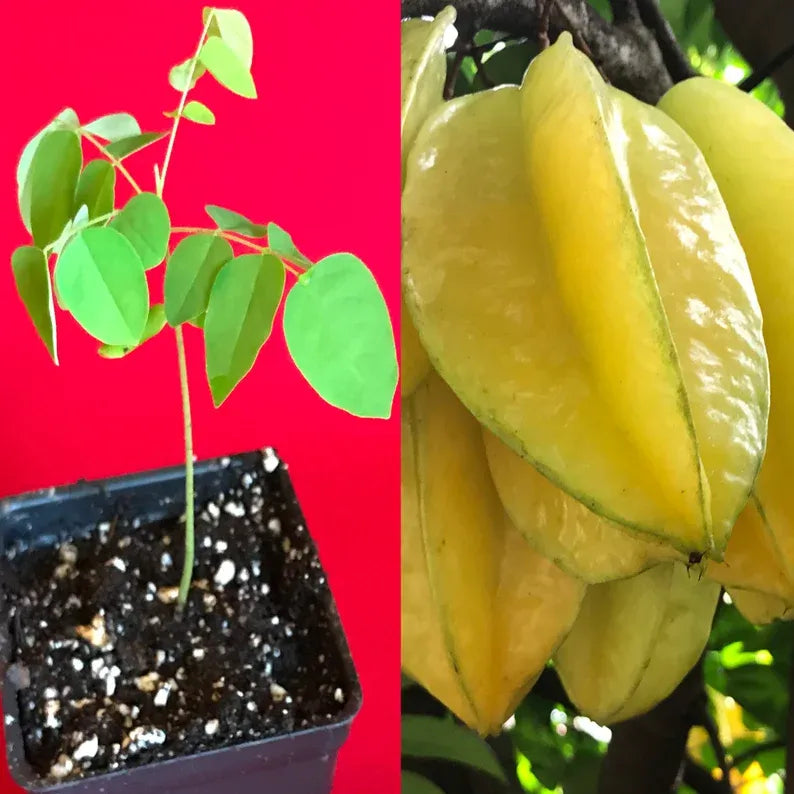
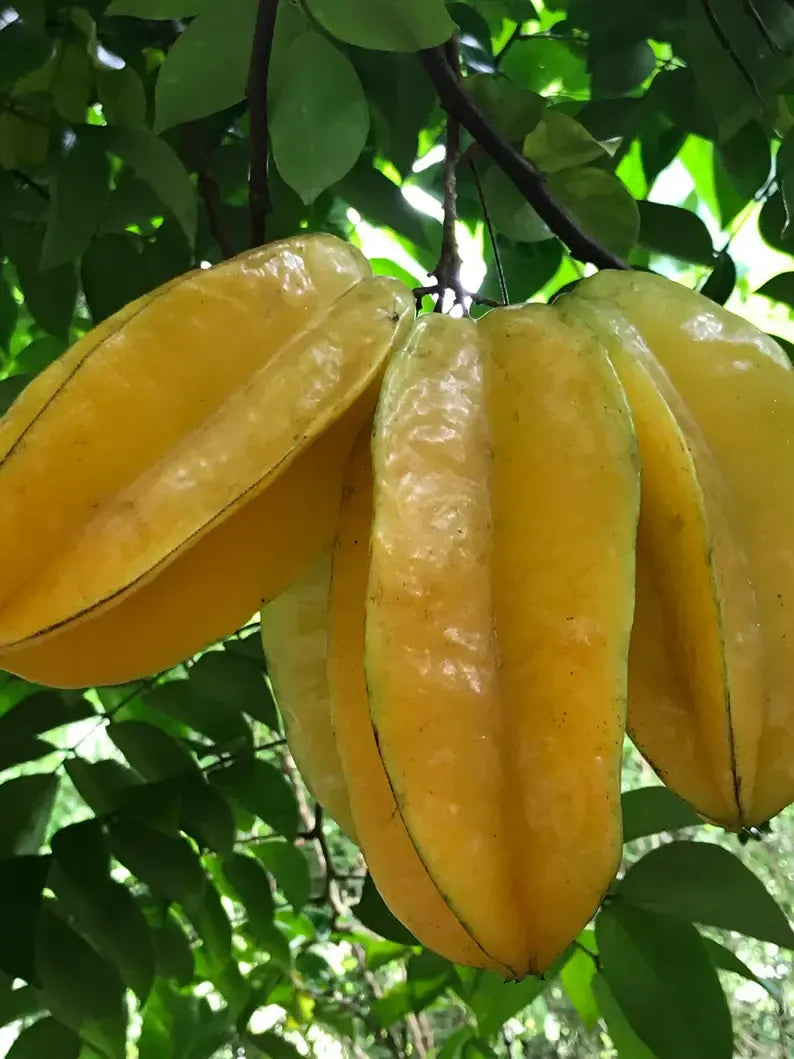

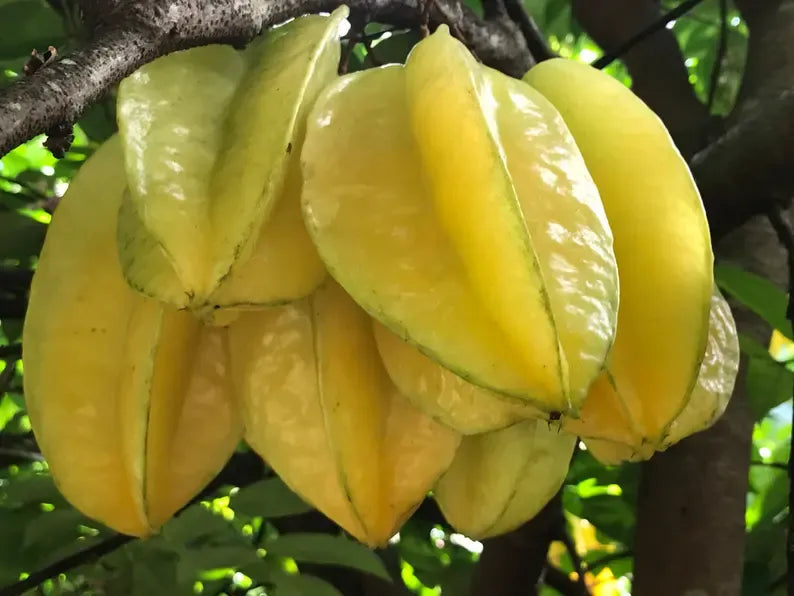


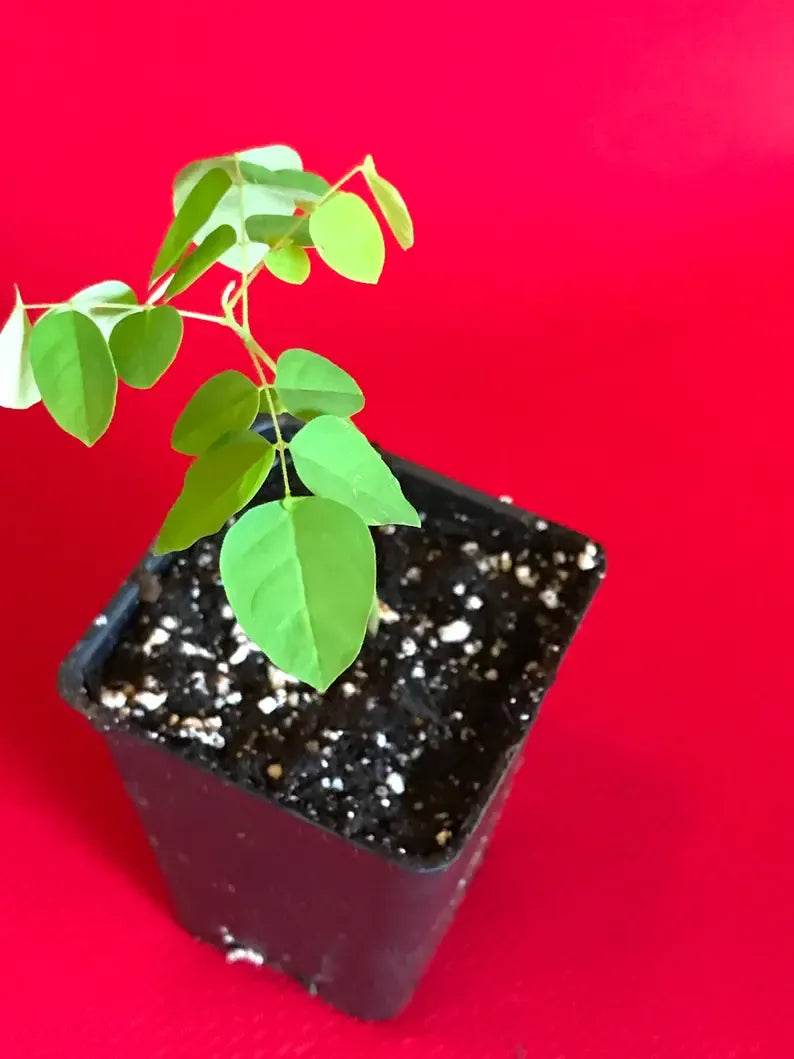

Star Fruit Averrhoa Carambola Bell Seedling Potted Starfruit Plant Tree
Product Type: Package Specification:
🌿 Bring Nature Into Your Everyday SpaceCreate a more beautiful and inviting environment in your home, balcony, patio, garden, or backyard. Our carefully selected gardening products are chosen for quality, practicality, and an enjoyable growing and decorating experience for beginners and experienced gardeners alike.Whether you are starting from seed, adding live plants, creating a succulent display, or upgrading your space with planters and garden essentials, each product is designed to help you build a greener space with greater confidence and ease.✨ Carefully selected for quality🌱 Beginner friendly🏡 Suitable for indoor and outdoor spaces🇺🇸 Ships from the USA📦 Tracked delivery includedBring your space to life and enjoy every step of creating something beautiful.
Orders are processed within 1–3 business days.
Standard delivery typically takes 7–10 business days within the United States.
Tracking information will be sent by email once your order has shipped.
Please note that delivery times may vary slightly during peak seasons or due to weather conditions.
Fruiting Height: 4-20 ft.
Hardiness: USDA Zone 9b to 13
Sun Exposure: Full Sun/Partial shade
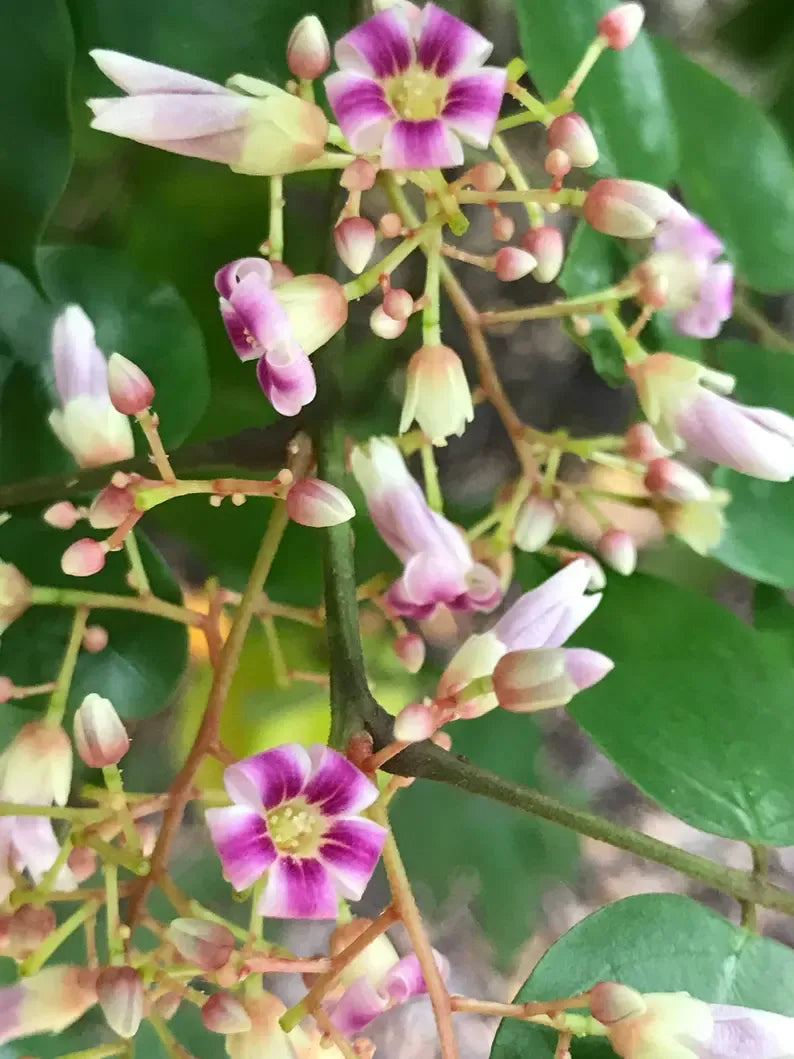
Bloom Color: Pink/White
Bloom Time: Blooms repeatedly
Foliage: Evergreen
Time To Fruit: 2-4 years
Synonims for yellow Sar fruit - Carambola, Averrhoa carambola, five-finger.
Carambolas are cultivated throughout many tropical and warm subtropical areas of the world. Carambolas have been cultivated in southeast Asia (Malaysia, India, Sri Lanka) for centuries, and trees were introduced in Florida over 100 years ago.
The carambola tree is small to medium in height (10 to 33 ft), single or multi-trunked. Carambola trees are evergreen, although when grown in cooler locations, they lose some or all their leaves during the late winter and early spring. Trees grow rapidly in locations protected from strong winds. Carambola trees grow best in warm to hot areas, although they also do well in warm subtropical areas that experience only occasional freezing temperatures. The range of temperatures for best growth and fruiting are 68° to 95°F; trees generally stop growing at temperatures below 65°F. Air temperatures of 30° to 32°F may kill young leaves; young trees, twigs, and mature leaves may be killed at 27° to 29°F. Small branches may be damaged at 25° to 29°F, and large branches and mature trees may be killed at temperatures of 20° to 24°F. Carambola trees have only limited tolerance to drought. Carambola trees generally develop iron, magnesium, and manganese deficiencies when grown in soils with a pH above 7. Symptoms of iron deficiency are interveinal chlorosis (green veins with yellowing in between), reduced leaflet size, and, with severe deficiency, leaflets may become almost white. Symptoms of magnesium deficiency include a mottling of green and yellow areas. Symptoms of manganese deficiency include reduced leaf size and yellowing.
The carambola has two major blooms in south Florida, April through May and September through October. However, some bloom may be found throughout the year. The harvest season is generally from June through February with peaks in fruit production during August through September and December through February. Usually there are a few fruits available throughout the year.
Carambolas are primarily consumed as a fresh fruit. They may be used in fruit salads, as a garnish for meat, salad, and casserole dishes or they may be processed into pickles, sauces, wines, and jellies. The fruit may also be canned, preserved, and dried. The fruit is a good source of potassium. Carambola is also rich in antioxidants and vitamin C; and low in sugar, sodium, and acid. It is also a potent source of both primary and secondary polyphenolic antioxidants.
This is the seedling of the new selection of the Bell variety that is famous for the very pleasant taste sweet fruits and very good production. Fruits are dark yellow-orange when fully ripe.
Trees grown from seeds are not identical to the parent tree.
Grown organically in Florida.
Pictures are from my garden of the actual plants and actual fruits that I grew.
IMPORTANT!
Small plants need protection from cold, wind, sun, dry-out.
Place all plants in a spot of moderate temperatures (70-80F) in good light but NOT in a direct sun for two weeks until they adjust from shipping in darkness . NO direct sun, NO partial shade - FULL SHADE ONLY! Sun will burn small plants! Allow the plants a week or two to adjust to their new home before transplanting or fertilizing. If you plan to plant them in the garden, gradually increase their exposure to sunlight and outdoor conditions! Temperatures falling below 60F can result in plant damage.